Saturday, October 25, 2014

Global Climate Change

       The Medieval Global Temperature Optimum was a time of warm climate in the North Alantic region from around 950 AD to 1250. This period showed notably warm weather in many parts of the world, mainly the North Atlantic, Southern Greenland, the Eurasian Arctic, and parts of North America. The sea temperature was approximately 1 degree warmer than today according to the radiocarbon-dated box core in the Sargasso Sea. Additionally, sediment samples were analyzed from different areas, indicating an increased amount of North Atlantic tropical cyclone activity. The warm climate was also evident through the settlement of Greenland and other northern lands by Vikings who could take advantage of the ice-free seas.
       Following this period of abnormally warm climate, there was a period of cooler climate called the Little Ice Age. Although the period's dates cannot be defined, climatologists have noted three cold intervals between AD 1550 and 1850 which were separated by slight warming. The causes of the cold periods include cyclical lows in solar radiation, heightened volcanic activity, changes in the ocean circulation, and variability in general. There was an increase in mountain glacier formation outside Europe, such as Alaska, New Zealand, and Patagonia. Additionally, the time brought colder winters to parts of Europe and North America. Snowfall was much heavier in areas such as Portugal.

Friday, October 24, 2014

Air Quality in Alaska


The air quality in Garden, Anchorage, Alaska was rated at 161, which is considered unhealthy. This rating means that everyone in the area may begin to experience health effects, and members of sensitive groups may experience more serious health effects. The rating is mainly based on the fine particulate matter measured. According to the American Lung Association's Annual State of the Air Report, people in the area are breathing in dangerous levels of soot. The fine particle pollution is mainly found in smoke and haze. The reason for these pollutants in this area is the burning of wood for heat in the cold of Alaska. The people in the area burn wood in the fire places and wood-burning stoves. Using wood to burn for energy is much cheaper for the citizens, hence its use. Additionally, the pollutants come from wildfires throughout the region. These pollutants from the smoke are causing asthma, heart attacks, strokes, and premature death. Due to how fine the particles are, they pass easily through the lung tissue into the blood stream. Many suggestions have been made to fix the air quality problem, but the earliest the suggestions will start being implemented is in 2020.

Tuesday, September 30, 2014

Mercury: To Use or Not to Use?


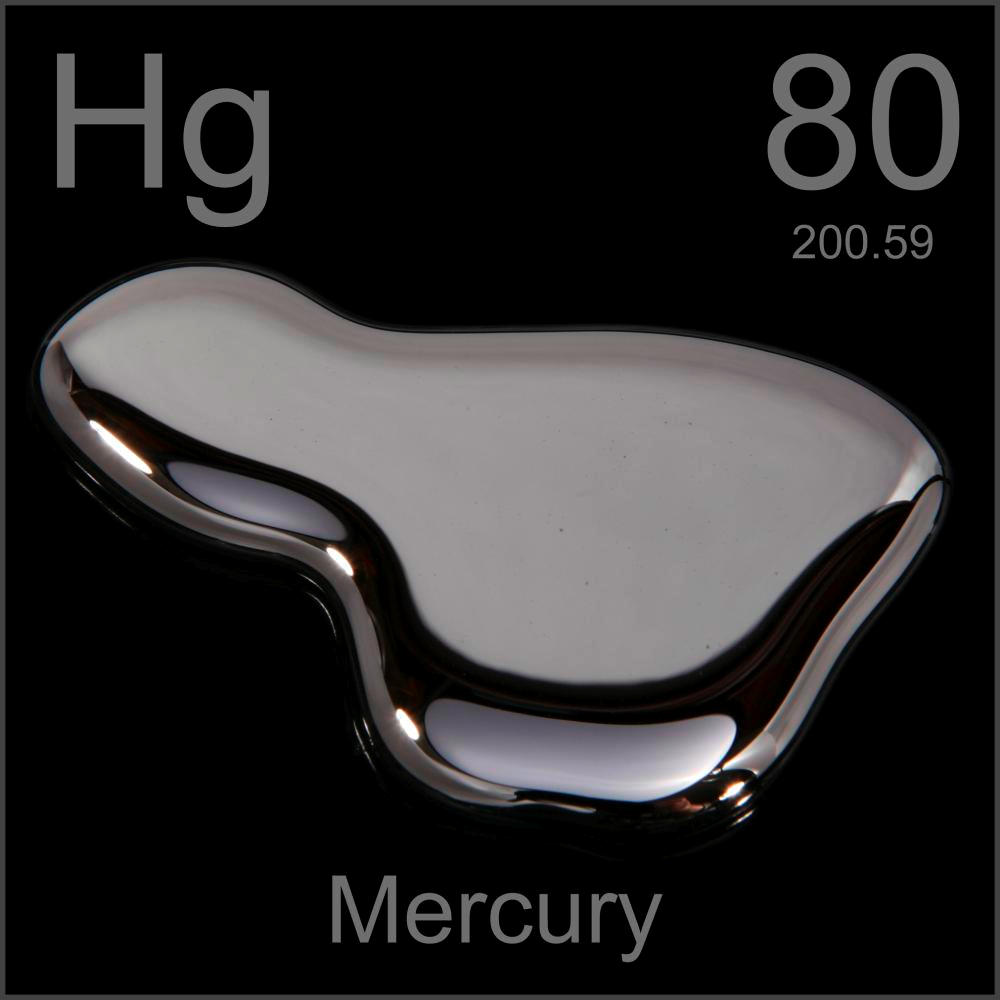
Mercury, Hg, is a metallic element that is liquid at standard temperatures and pressure. It is a poor conductor of heat, but conducts electricity. This element is most commonly used in thermometers, barometers, batteries, dental amalgams, and switches for electrical apparatus. Although humans do use it, all forms of Mercury are considered to be dangerous, particularly methylmercury, causing a decrease in the use of this element. However, we are unable to completely eliminate intake of Mercury as it is widespread in the environment. Micro-organisms in polluted waters can produce methylmercury, which then can be absorbed by the fish, leading to humans along the food chain. If too much is ingested, mercury can have a negative effect on the central nervous system.

            Mercury can be found in most deposits throughout the world as cinnabar, mercuric sulfide. These deposits are mostly found in Spain and Italy, containing around 50% of the supply of Mercury. There are also some mines in Alaska. In order to mine for it, the cinnabar must be heated in an air current, condensing the vapour, which in turn, produces the purist form of mercuric sulfide in the red pigment vermilion. Once Mercury is extracted, it easily forms alloys, called amalgans, with gold, silver, and tin. Today, it is useful to recover gold from ores and manufacture sodium hydroxide and chlorine. These uses are some of the only ones left for this dangerous metal.

This map illustrates the Mercury emissions globally


Sources: 


Thursday, September 4, 2014

Here is a timeline combining major events and inventions over history with the discovery and usage of materials. This provides a framework for these materials. It also helps in knowing how the materials might have been of use or played a part in the events listed on this timeline. Everything links together and progresses with time. Without the discovery of certain elements, other inventions would not have been possible.

Wednesday, August 27, 2014

Great Barrier Reef vs. the Mining Industry


As the largest coral reef ecosystem on Earth, the Great Barrier Reef on the Queensland coast holds an enormous amount of marine plants and animals, bringing in a huge boost to the economy in this area through tourism. Industrial developments such as the world's largest coal port at Abbot Point and the port of Gladstone Harbour are taking their toll on the biodiversity and life of the reef. Although the export of coal and gas is essential to the lifestyles of people today, the wildlife and the tourism industry are being damaged. Many campaigns and conservation groups have been created to fight for the elimination of the dredging and dumping. Watch the video below to find out more about the problems with mining!